Fed's Warsh drops fresh clues on interest-rate path, inflation
Fed's Warsh drops fresh clues on interest-rate path, inflation.

Kevin Warsh threw down a few red cards during his first meetings with Congress as Federal Reserve Chairman, especially during often-spicy grilling by Senate Democrats over ethics, independence, and artificial intelligence.
However, he did strike a hint of forward guidance to investors and consumers about interest-rate paths and inflation during America's current afforability crisis without actually saying the words "interest-rate hikes."
"We have the tools to do it," Warsh said. "Over the coming period, I'm going to ask our colleagues to have a good family fight about the extent and timing in which we would need to deploy those."
Forward guidance is a tool used by central banks to communicate to the public and financial markets the expected future path of monetary policy on borrowing costs.
Warsh has said during his first seven weeks as head of the U.S. central bank that he would like to drop forward guidance completely, the opposite practice of his predecessors.
"This is probably the closest Warsh has come to acknowledging that the Fed could raise rates in response to persistently high inflation, without explicitly signaling a hike," Fitch Ratings Head of U.S. Economics Olu Sonola said.
Warsh noted in testimony both days during the semi-annual Monetary Policy Report to Congress July 14-15 that inflation has hit above the Fed's 2% target for the past 63 months.
He also emphasized repeatedly to legislators in both chambers that the Fed was committed to delivering the price stability side of its mandate but stopped short of delivering actual forward gudiance.
Warsh did offer the Senate Banking Committee one option the Fed might use to evaluate if inflation was becoming persistent. It will consider whether price increases were impacting "the generalized price level" instead of one specific category such as oil and gas, he said.
While Fed watchers said the new Chairman's comments didn't foreshadow an interest-rate hike in the near term, Warsh's remarks were the closest he's come to date to saying that monetary policy may need to become more restrictive if inflation turns stubborn.
Monetary Policy Analytics Inc. Economist Derek Tang told Bloomberg that Warsh "definitely revealed a little bit more about his inflation framework."
"The current inflation we're seeing right now does not alarm him unless we see more second-round effects," Tange said.
While Warsh repeated multiple times a hawkish commitment to use monetary policy to curb inflation, he didn't outline exactly what tactics the U.S. central bank would deploy -- directing his legislators to the five blue-ribbon task forces he created to study a host of Fed reforms.
"I don't view a one-time change in prices as necessarily being inflationary, because I think there's a supply response," Warsh did say regarding the massive investment in AI infrastructure that's driving up prices on chips, software, and labor.
"Will it increase measured prices over the course of the next 12 months? I suspect it will be. Whether that's inflationary or not, that's up to the Federal Reserve, and we're going to have something to say about that," he said.
Related: Cooler inflation delivers big win for Fed interest-rate bets
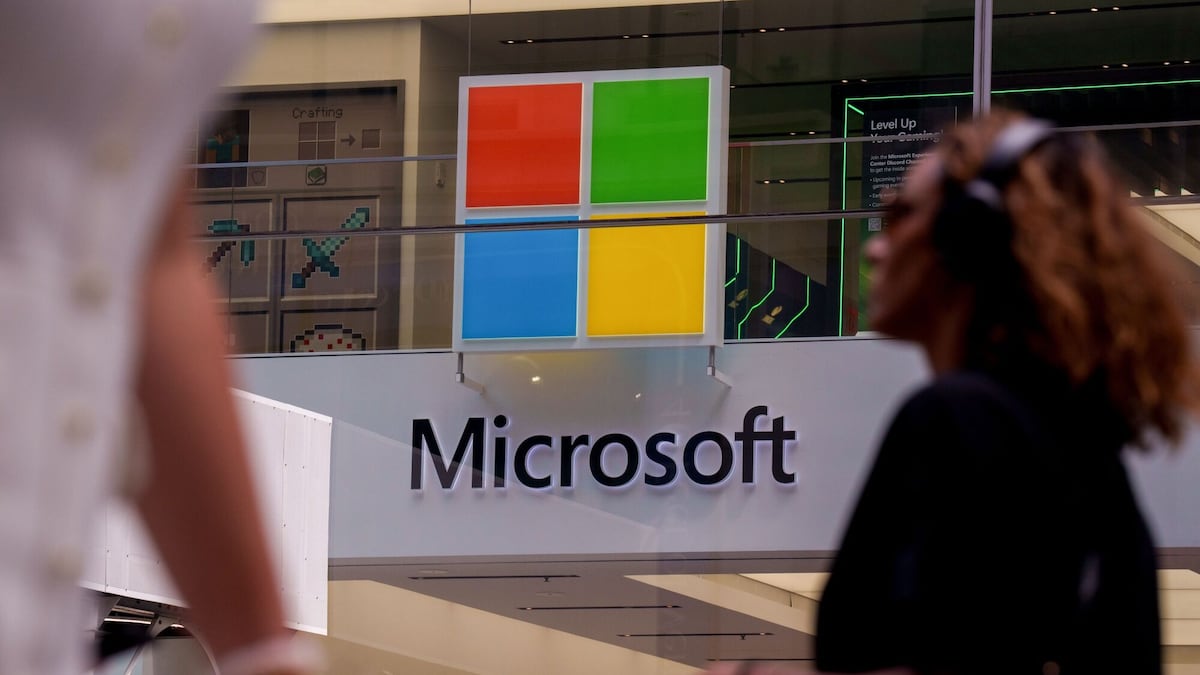
Dell, Microsoft and Apple are among the companies that have announced they will be raising prices to consumers on laptops, tablets, and video game consoles because of AI buildout.
Warsh said that the current AI investment boom won't necessarily lead to persistent price pressures in the long term.